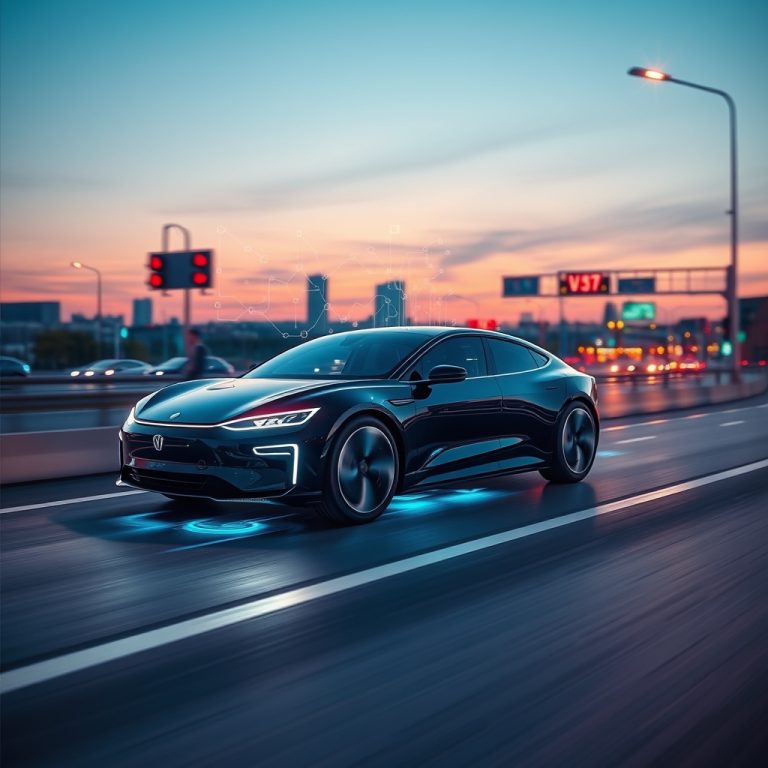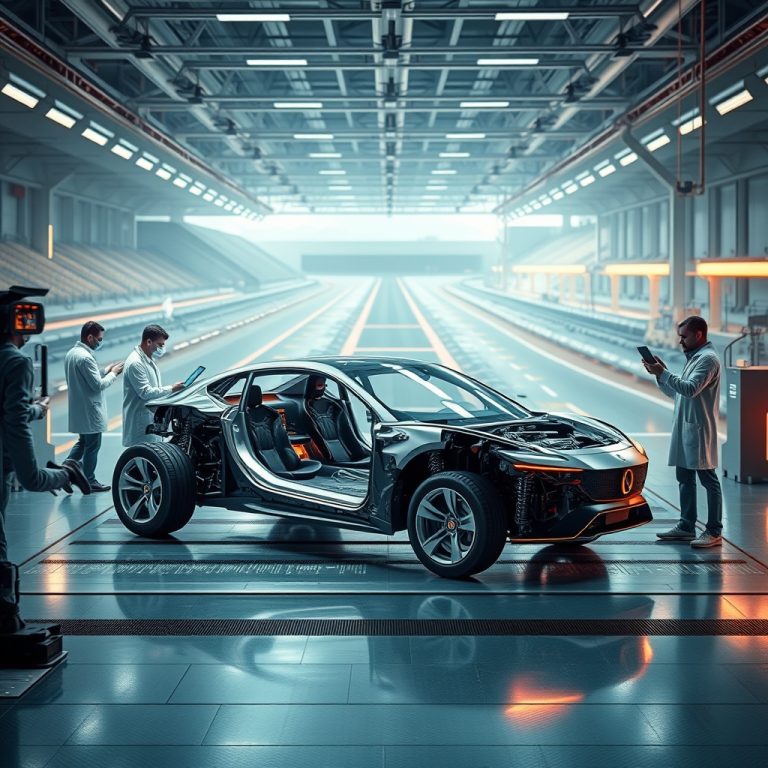

The automotive industry is undergoing an unprecedented transformation. At the heart of this revolution lies the rise of automotive electric vehicles (EVs), poised to redefine the way we drive, commute, and perceive transportation. These vehicles are no longer a futuristic dream but a present-day reality rapidly gaining traction worldwide. The momentum behind automotive electric vehicles is not accidental; it is propelled by technological advancements, environmental urgency, and shifting consumer paradigms. Understanding why these vehicles represent the future of driving involves exploring their multifaceted benefits, challenges, and the broader implications for society and the planet.
The Dawn of a New Era in Mobility
The internal combustion engine (ICE) has powered cars for over a century, symbolizing freedom and progress. Yet, as environmental concerns intensify and fuel prices fluctuate, the limitations of traditional vehicles become glaringly evident. Automotive electric vehicles offer a promising alternative, characterized by electric propulsion systems that eliminate tailpipe emissions and reduce dependency on fossil fuels.
Unlike their gasoline or diesel counterparts, EVs harness electricity stored in high-capacity batteries, converting it into instantaneous torque that propels the vehicle forward. This not only revolutionizes the driving experience with smoother acceleration but also significantly decreases the ecological footprint of personal transportation.
Environmental Imperatives Driving EV Adoption
One of the most compelling reasons automotive electric vehicles are destined to dominate the future is their profound environmental advantage. Climate change, driven primarily by greenhouse gas emissions from fossil fuel combustion, poses an existential threat to ecosystems and humanity alike.
-
Zero tailpipe emissions: EVs emit no carbon dioxide or harmful pollutants during operation, drastically reducing urban air pollution and mitigating respiratory health risks.
-
Reduced lifecycle emissions: While manufacturing batteries involves energy-intensive processes, advancements in green energy and recycling technologies are steadily lowering the overall carbon footprint of EV production.
-
Energy efficiency: Electric motors convert over 85% of electrical energy into motion, a stark contrast to ICE vehicles that waste significant energy as heat.
Governments worldwide recognize this potential, implementing stringent emissions regulations and offering incentives to accelerate EV adoption.
Technological Innovations Fueling Progress
The rapid evolution of automotive electric vehicles hinges on breakthroughs in battery technology, charging infrastructure, and software integration.
Battery Advancements
Battery technology is the linchpin of EV performance and affordability. The industry is witnessing a shift from traditional lithium-ion batteries to solid-state batteries, promising higher energy density, faster charging times, and enhanced safety. These improvements extend driving range and reduce “range anxiety,” a major consumer concern.
Charging Infrastructure Expansion
The growth of accessible and efficient charging stations is critical. Public and private sectors are investing heavily in fast-charging networks that rival the convenience of gasoline refueling. Innovations such as wireless charging pads and ultra-fast chargers are on the horizon, promising to make EV ownership seamless.
Intelligent Software and Connectivity
Modern automotive electric vehicles integrate sophisticated software systems that optimize energy consumption, enable over-the-air updates, and support autonomous driving features. Smart energy management allows EVs to adapt to driving conditions dynamically, enhancing range and reliability.
Economic and Financial Benefits for Consumers
While the upfront cost of automotive electric vehicles can be higher than conventional cars, the total cost of ownership increasingly favors EVs.
-
Lower operating costs: Electricity is cheaper than gasoline per mile, and EVs require less frequent maintenance due to fewer moving parts.
-
Incentives and rebates: Many countries provide tax credits, rebates, and other financial incentives that reduce purchase prices.
-
Resale value and depreciation: As demand surges and technology matures, the resale value of EVs is stabilizing.
Consumers are beginning to appreciate that EVs not only offer ecological advantages but also long-term economic savings.
Impact on Energy Systems and Sustainability
The widespread adoption of automotive electric vehicles has far-reaching implications for global energy systems.
-
Grid integration: EVs can act as mobile energy storage units, feeding power back into the grid during peak demand—a concept known as vehicle-to-grid (V2G) technology.
-
Renewable synergy: Coupled with solar and wind power, EVs promote a sustainable energy ecosystem, reducing reliance on polluting power plants.
-
Decentralized energy: Home charging stations combined with renewable energy installations empower consumers to become energy producers, fostering resilience.
This symbiotic relationship between EVs and renewable energy accelerates the transition to a low-carbon economy.
Urban Mobility and Smart Cities
Automotive electric vehicles fit seamlessly into the vision of smart, sustainable cities.
-
Reduced noise pollution: Electric motors operate silently, contributing to quieter urban environments.
-
Enhanced air quality: Fewer emissions improve public health and quality of life.
-
Integration with public transport: EVs complement mass transit by serving as clean “last-mile” solutions.
Cities are redesigning infrastructure to support EVs, including dedicated lanes, priority parking, and charging hubs, transforming urban mobility landscapes.
Overcoming Challenges: The Road Ahead
Despite their promise, automotive electric vehicles face hurdles that must be addressed for mass adoption.
Battery Raw Material Sourcing
Critical materials like lithium, cobalt, and nickel are finite and concentrated in geopolitically sensitive regions. Sustainable mining practices and recycling technologies are essential to ensure ethical supply chains.
Charging Accessibility
Rural and underdeveloped areas often lack robust charging infrastructure. Equitable expansion plans are needed to avoid creating mobility deserts.
Consumer Perception
Education is key to dispelling myths about range limitations, performance, and safety. Test drives, transparent data, and user testimonials foster confidence.
Government and Industry Collaboration
The trajectory of automotive electric vehicles depends on coordinated efforts between policymakers, manufacturers, and consumers.
-
Regulatory frameworks: Emission standards and phase-out dates for ICE vehicles drive market shifts.
-
Research and development funding: Public investment accelerates innovation in battery tech and charging solutions.
-
Public awareness campaigns: Informing citizens about benefits and incentives encourages adoption.
This triad of collaboration is crucial for scaling EV infrastructure and consumer acceptance.
The Role of Autonomous Driving and EVs
The future of driving is intertwined with autonomous vehicle technologies. Automotive electric vehicles are ideal platforms for self-driving systems due to their advanced electronics and software architectures.
-
Safety enhancements: Autonomous features reduce human error, the primary cause of accidents.
-
Optimized efficiency: AI-driven navigation conserves energy by minimizing unnecessary acceleration or braking.
-
Shared mobility: Autonomous EVs support ride-sharing models that reduce the total number of vehicles on roads.
Together, these innovations herald a new era of safer, smarter, and cleaner transportation.
Environmental Justice and Social Equity
Ensuring the benefits of automotive electric vehicles reach all communities is a vital consideration.
-
Affordable EV models: Expanding production of low-cost electric cars democratizes access.
-
Job creation: The EV industry spurs employment in manufacturing, installation, and maintenance sectors.
-
Pollution reduction in disadvantaged areas: EV adoption in urban neighborhoods alleviates disproportionate exposure to harmful emissions.
A future where EVs are accessible to all supports social equity and environmental justice.
Consumer Trends and Market Dynamics
The surge in EV popularity reflects changing consumer attitudes and market forces.
-
Millennials and Gen Z: Younger generations prioritize sustainability and technology, fueling demand.
-
Corporate commitments: Businesses increasingly electrify fleets to meet ESG goals.
-
Used EV market: Growing availability of pre-owned electric cars lowers entry barriers.
Market dynamics favor continued growth, innovation, and competition, driving improvements and affordability.
The Global Perspective: EV Adoption Around the World
EV adoption varies widely, shaped by economic conditions, government policies, and infrastructure.
-
Europe: Leading the charge with comprehensive incentives and emission regulations.
-
China: The world’s largest EV market, fueled by strong government support and local manufacturing.
-
United States: Rapid growth, with particular concentration in coastal and urban areas.
Global collaboration on technology standards, battery recycling, and grid integration is essential to sustain momentum.
The Psychological Shift: Embracing a New Driving Experience
Transitioning to automotive electric vehicles also entails a mindset change. The driving experience transforms from noisy, fuel-dependent routines to quiet, technologically immersive journeys.
-
Regenerative braking: Drivers learn to use energy recovery to extend range.
-
Instant torque: Acceleration feels immediate and exhilarating.
-
Connected dashboards: Real-time data empowers efficient driving and maintenance.
This new paradigm enriches driver engagement and satisfaction.
Future Innovations: What Lies Beyond Today’s EVs
Looking ahead, automotive electric vehicles will continue evolving with radical innovations on the horizon.
-
Wireless charging lanes: Roads embedded with charging technology to power vehicles on the move.
-
Solid-state batteries: Ultra-fast charging, higher capacity, and longer lifespans.
-
Hydrogen fuel cells: Potentially complementing electric batteries for longer distances.
-
Vehicle-to-home integration: Using EV batteries as emergency home power sources.
These advancements will further dismantle barriers and expand possibilities for sustainable driving
The rise of automotive electric vehicles signals a pivotal shift toward cleaner, smarter, and more efficient transportation. Fueled by environmental necessity, technological breakthroughs, and evolving consumer preferences, EVs are set to dominate the roads of tomorrow. The journey is complex and fraught with challenges, but the benefits—environmental sustainability, economic savings, and enhanced driving experiences—make this transition indispensable.
Embracing automotive electric vehicles is not merely a choice; it is a collective responsibility to safeguard our planet, improve public health, and innovate mobility. As governments, industries, and individuals align toward this electrified future, the promise of a new era in driving becomes an inspiring reality—quiet, clean, and infinitely exciting.
About the Author